
You love reading. You've probably thought about it: Could I actually get paid to read books?
The short answer is yes—but the reality is more nuanced than the make money reading books headlines suggest. Book reviewer jobs exist, they pay real money, and some people build legitimate side hustles around them. But earnings are modest, requirements vary wildly, and the competition for the best opportunities is fierce.
Five months ago, shortly after site launch, we published our first top 5 list: Top 5 Survey Sites of 2026. The response showed us that readers want honest, tested recommendations—not hyped-up nonsense.
Now we have another. We've investigated dozens of platforms claiming to pay readers. Most fall into three categories: outright scams, sites that pay in exposure (meaning nothing), and the small handful of legitimate operations that actually compensate reviewers. This guide focuses on that third category—five vetted options ranging from entry-level gigs to professional pathways.
Whether you want to review books for money as a casual side hustle or you're building toward a career in publishing, here's what actually works in 2026.
1. OnlineBookClub.org — Best for Beginners ($5–$60 per review)
The pitch: Get paid to review books across every genre imaginable, with a built-in progression system that rewards consistent reviewers.
The reality: OnlineBookClub is the most accessible entry point for aspiring book reviewers. It's free to join, there's no formal application process, and they send you books to review. But there's a catch: your first review is unpaid. Consider it a trial period—they want to see if you can write before they start paying you.
How It Works
After signing up, you'll browse available books and request ones that interest you. The platform operates on a tiered system. New reviewers start with lower-paying titles, typically in the $5–$15 range. As you complete reviews and build a track record, you unlock access to higher-paying opportunities—up to $60 per review for experienced reviewers who consistently deliver quality work.
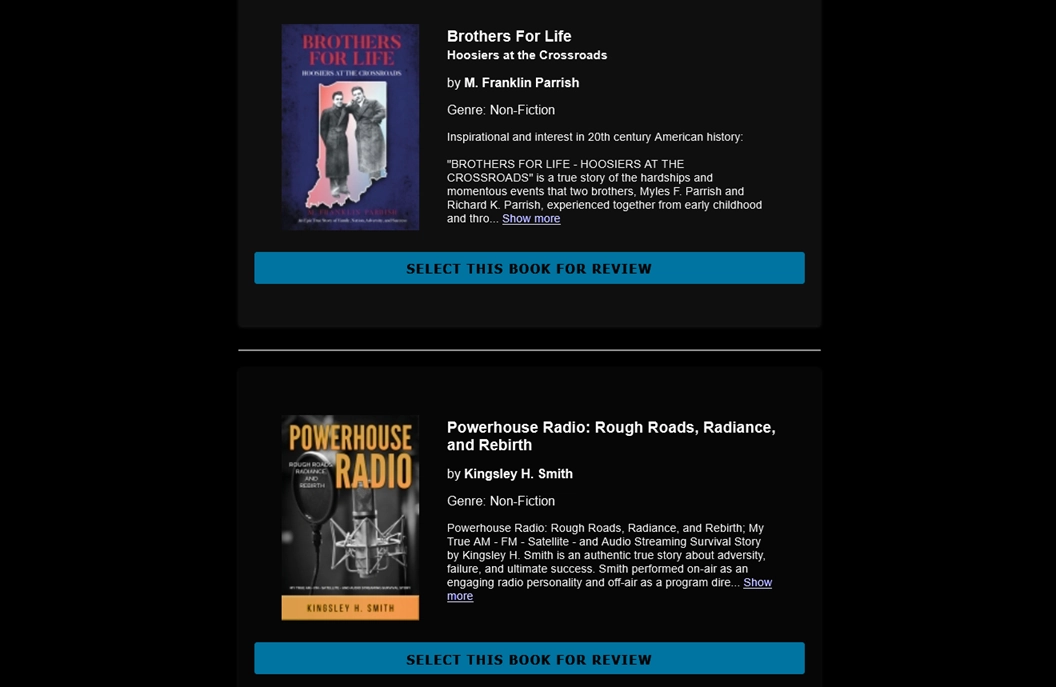 Browse available titles and request books that match your interests on OnlineBookClub.
The books are yours to keep. Review requirements typically ask for 300–500 words (minimum 300 for children's books, 400–500 for adult titles) covering plot summary (without spoilers), writing quality assessment, and your honest recommendation. They want genuine opinions, not promotional garbage.
The Caveats
- The first review is unpaid—period. Anyone promising immediate pay on OnlineBookClub is misleading you.
- Competition for popular titles can be fierce; niche genres often have more availability.
- Payment processing takes up to 3 weeks via PayPal—don't expect instant transfers.
Is It Worth It?
If you're starting from zero and want to build a portfolio while earning a modest side income, yes. The $5–$15 starting range won't replace your day job, but it's legitimate compensation for work you're likely doing for free anyway.
2. Kirkus Reviews — Best for Established Reviewers (~$50+ per review)
The pitch: Write for one of the most respected names in book reviewing, with compensation that reflects the platform's prestige.
The reality: Kirkus Reviews has been a publishing industry institution since 1933. Getting a byline here carries weight—but getting in the door requires professional-level writing samples and often prior reviewing experience.
How It Works
Kirkus hires freelance reviewers on a rolling basis. The application process is competitive: you'll submit writing samples, demonstrate knowledge of literary criticism, and typically need to show some prior publication history. They're looking for reviewers who can analyze books within broader literary and cultural contexts—not just summarize plots.
Accepted reviewers receive assignments based on their genre expertise. Payment varies by assignment complexity and length, with competitive freelance rates. Rates are disclosed during the application process and depend on the specific assignment.
The Caveats
- Application requirements are stringent; this isn't a sign up today, get paid tomorrow situation.
- Assignments are editor-driven—you don't choose every book you review.
- Deadlines are firm; missing them damages your standing.
- Competition for spots is intense, especially in popular genres like fiction and memoir.
Is It Worth It?
If you have writing credentials and want to build a serious reviewing portfolio, absolutely. A Kirkus byline opens doors to other publishing opportunities. But this is professional freelance work, not a casual side hustle.
3. Publishers Weekly — Best for Industry Credibility (Modest Honorarium)
The pitch: Review for the publishing industry's trade bible and gain insider access to upcoming releases.
The reality: Publishers Weekly (PW) operates differently than consumer-facing review platforms. As a trade publication, PW reviews serve the publishing industry itself—helping booksellers, librarians, and rights buyers make purchasing decisions. The pay is modest (often described as an honorarium rather than a competitive rate), but the industry access is unmatched.
How It Works
PW hires freelance reviewers with demonstrated expertise in specific genres or subject areas. The application requires professional writing samples and typically some connection to the publishing world—whether through prior reviewing, bookselling, library work, or writing credentials.
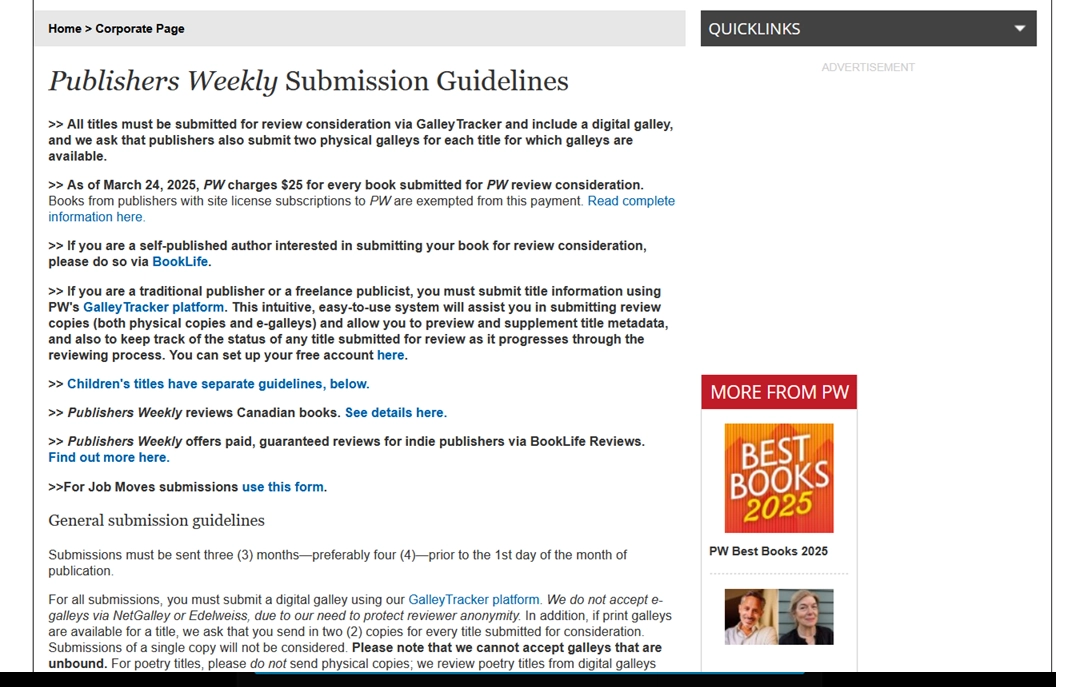 Publishers Weekly maintains strict professional standards for their reviewer network.
Reviewers receive galley copies (advance reader copies) of books months before publication. Reviews run 150–200 words and follow PW's specific style guidelines. The compensation won't fund your retirement, but the networking opportunities and industry recognition can be career-changing for publishing hopefuls.
The Caveats
- Pay is lower than consumer-facing platforms—this is about career development more than immediate income.
- PW reviews are strictly professional; there's no room for personal enthusiasm or harsh takedowns.
- The application bar is high and the process can take months.
- Genre assignments depend on editorial needs, not personal preference.
Is It Worth It?
If you're building a career in publishing, literary journalism, or book-adjacent fields, the industry credibility is worth more than the paycheck. For pure side income, other options offer better rates.
Publishers Weekly Reviewer Guidelines
4. eBookFairs — Best for Consistent Micro-Earnings ($5 per review + referrals)
The pitch: Review indie and self-published ebooks for guaranteed $5 payments, with additional earning potential through their referral program.
The reality: eBookFairs occupies a middle ground between the hobbyist platforms and professional publications. The $5 per review rate is modest but consistent, and their referral program offers a genuine secondary income stream for reviewers who build networks.
How It Works
The platform focuses on indie and self-published books, typically 100+ pages. You browse available titles, request ones that interest you, and receive the ebook (usually in multiple formats). Reviews must be substantive—roughly 200+ words covering plot, characters, writing quality, and overall recommendation.
Payment is $5 per approved review. The 100+ page minimum means you're not stuck reviewing pamphlets, but it also means substantial reading time for the compensation.
Where eBookFairs differentiates itself is the referral program. Reviewers can earn commission from referred author subscriptions (specific rates not publicly disclosed).
The Caveats
- Your first 2 reviews are unpaid (trial period)—only reviews after that qualify for payment.
- The $5 rate is fixed—there's no progression to higher pay tiers.
- Maximum 5 paid reviews per calendar month.
- You must post about each book on social media (X, Facebook, Instagram, GoodReads).
- Reviews must be at least 200 words and cannot have negative sentiment (constructive criticism is okay, but outright negative reviews are prohibited).
- Only books over 100 pages qualify for payment; shorter books are free reviews only.
- Indie book quality varies dramatically; you'll encounter rougher writing than traditional publishing.
- The referral program requires actual network-building to generate meaningful income.
- Some reviewers report delayed payments during high-volume periods.
Is It Worth It?
If you enjoy discovering indie authors and don't mind the modest per-review rate, it's legitimate work. The referral program adds potential for reviewers with audiences or networks. But if you're looking to maximize hourly earnings, the math doesn't favor extensive eBookFairs work.
Apply as a Paid Reader at eBookFairs
5. Reedsy Discovery — Best for Portfolio Building (Tips $1–$5 + referral credits)
The pitch: Review pre-publication books for aspiring writers, build your reviewing portfolio, and earn tips from authors.
The reality: Reedsy Discovery operates on a tip-based model rather than guaranteed payment. Tips vary widely—there's no guarantee of earnings, and the only guaranteed compensation is a free copy of the book. However, the platform offers significant non-monetary value: high-quality books, professional presentation, and exposure to a community of serious indie authors.
How It Works
Reedsy Discovery connects indie authors with reviewers before publication. The books tend to be higher quality than typical self-published fare—Reedsy vets submissions, and many are from serious writers investing in professional editing and design.
 Reedsy Discovery requires an active blog or YouTube channel to join their reviewer network.
Reviewers choose from available titles and write 300+ word reviews. Authors can leave tips, but tipping is optional—there's no guarantee you'll earn anything beyond the free book. You'll need an active blog or YouTube channel where you publish reviews, as Reedsy requires a platform link during application. Tips are paid via Stripe, so you'll need a Stripe account to withdraw earnings.
The Caveats
- You must have an active blog or YouTube channel to apply—this is a significant barrier for beginners.
- Tips are unpredictable—you might earn nothing for some reviews.
- The time investment (300+ words plus reading) doesn't pencil out financially for many reviewers.
- There's no guarantee authors will engage with your reviews.
- You need a Stripe account to receive tip payments.
Is It Worth It?
For bloggers and content creators who already have platforms, Reedsy Discovery offers quality books and portfolio-building opportunities. If you don't have a blog or YouTube channel, you'll need to build one first. As a primary income source, it falls short. Consider this a stepping stone for established content creators—build your skills here, then graduate to paying platforms.
Apply as a Reedsy Discovery Reviewer
Quick Comparison: At a Glance
| Platform | Pay Per Review | Experience Required | Best For |
|---|---|---|---|
| OnlineBookClub.org | $5–$60 | None | Beginners building a portfolio |
| Kirkus Reviews | Competitive freelance rates | Professional writing samples | Serious reviewers building credentials |
| Publishers Weekly | Modest honorarium | Publishing industry experience | Career development in publishing |
| eBookFairs | $5 (books 100+ pages) | None | Consistent micro-earnings with referrals |
| Reedsy Discovery | Tips vary (not guaranteed) | Active blog or YouTube channel | Bloggers and content creators |
How to Become a Book Reviewer: Getting Started
If you're serious about book reviewer jobs, here's the progression that actually works:
Month 1–2: Build samples. Start with OnlineBookClub (easiest entry) or create 5–10 sample reviews on your own blog before applying to Reedsy Discovery. Follow professional standards: spoiler-free summaries, analytical criticism, clear recommendations. Note: Reedsy Discovery requires an existing blog or YouTube channel to apply.
Month 3–6: Diversify and specialize. Apply to multiple platforms. Develop expertise in 2–3 genres—specialized reviewers get better assignments and higher pay.
Month 6–12: Pursue professional opportunities. With a portfolio of quality reviews, apply to Kirkus, Publishers Weekly, or literary magazines. Network with publishers and authors on social media.
Ongoing: Treat it like freelance work. Meet deadlines consistently. Build relationships with editors. Track your effective hourly rate and focus on the most lucrative opportunities.
The Honest Math: Can You Get Paid to Read Books Profitably?
Let's talk numbers. A typical 300-page book takes 6–10 hours to read and review thoughtfully. At $5 per review (entry-level on most platforms), that's $0.50–$0.85 per hour. At $60 per review (experienced OnlineBookClub reviewers), it's $6–$10 per hour. Professional rates at prestigious publications may be higher but require significant credentials.
These aren't quit your job numbers. They're subsidize your reading habit or build toward something bigger numbers.
The reviewers making real money aren't just reading and reviewing—they're parlaying those reviews into book blogging income, affiliate marketing, editing services, or publishing careers. Book reviewing works best as one piece of a larger side hustle strategy, not a standalone income source.
FAQ: Getting Paid to Read Books
Related Resources

Organize Your Side Hustles
Track your book reviewing earnings alongside other income streams with our free Side Hustle Toolkit.
Get the Free Toolkit