"Get paid to play video games all day."
We've all seen the ads. They show someone lounging on a couch. Controller in hand, they earn hundreds while blasting through the latest AAA release. It looks like a dream job.
Here's the reality: game tester jobs are real, they do pay actual money, but they're work—not play. Most of the time, you won't be enjoying yourself. You'll be deliberately breaking stuff. You'll replay the same level a million times. You'll document crashes with the enthusiasm of an insurance adjuster.
That said, for the right person, video game tester jobs can be a legitimate side income. They can even be a foot in the door of the gaming industry. At Luck & Fortune Finance, we've investigated dozens of platforms. We've researched working testers. This guide covers what you actually do, what you can realistically earn, where to find game tester vacancy listings, and how to spot scams before they take your money.
What Game Testers Actually Do (It's Not What You Think)
The biggest misconception about computer games tester jobs is that you're being paid to have fun. You're not. You're being paid to find problems.
The Day-to-Day Reality
A typical game testing session involves:
- Running test cases. You'll follow written instructions to verify specific features work—Check that the health potion restores exactly 50 HP when used from the inventory screen during combat.
- Attempting to break things. Your job is to basically be a troublemaker. What happens if I mash these buttons simultaneously? What if I quit the game mid-save?
- Writing bug reports. When something fails, you document it with screenshots, reproduction steps, and severity ratings. Clear writing matters more than gaming skill here.
- Regression testing. After developers fix a bug, you verify the fix—and check that they didn't break anything else in the process.
- Repetition. You'll play the same tutorial level twenty times with slightly different settings. Fun honestly drains away very quickly.
This is, essentially, quality assurance (QA) work. It's methodical, detail-oriented, and often tedious. The people who succeed are patient, observant, and good at following protocols. They are not necessarily the best players.
Types of Game Testing Work
Not all jobs involving gaming are the same. Here's how the categories break down:
QA Testing (Quality Assurance) — The professional tier. Full-time or contract positions with game studios or outsourced QA companies. Requires following strict test plans, often on-site or with specific equipment. Pays hourly wages ($10–$20 entry level, more with experience).
Beta Testing — Pre-release testing where studios recruit players to find issues in near-finished games. Can be open (anyone can join) or closed (invite-only). Usually unpaid or compensated with in-game rewards, though some paid beta testing programs exist through specialized platforms.
Playtesting / Remote Usability Testing — Short, focused sessions where you play for 15–60 minutes while recording your screen and voice. Companies want to see where you get confused, frustrated, or stuck. Pays per test ($3–$15 typically, sometimes more for specialized demographics).
Compliance Testing — Technical verification that games meet platform requirements (Xbox, PlayStation, Nintendo). Highly specialized, usually done by certified professionals.
Requirements: What You Actually Need
The barrier to entry varies by role.
For Entry-Level QA Positions
- Age: Usually 18+ for professional roles (some remote playtesting allows 16+ with parental consent).
- Hardware: For on-site QA, you use company equipment. For remote work, you'll often need a capable PC, current-gen console, or specific mobile devices.
- Attention to detail: More important than gaming skill. Can you spot a texture flicker? Notice when audio randomly desyncs by half a second?
- Communication: Bug reports need clear, concise writing. Developers should be able to reproduce your findings from your description alone.
- Patience: You'll play broken builds. Crashes are expected. Progress loss is normal.
For Remote Playtesting Platforms
- Age: 18+ for most platforms (some allow 13+ with guardian consent).
- Equipment: Working microphone, screen recording capability, stable internet.
- Speaking ability: Many tests require thinking aloud—explaining your thought process while playing.
- Demographics: Some tests target specific age groups, gaming experience levels, or geographic regions.
For Beta Testing
- Minimal requirements for open betas—usually just signing up.
- Hardware specs matter. Closed betas often target specific device models or graphics cards.
Where to Find Legitimate Game Tester Jobs
We've vetted the following platforms and companies. These are established operations with verified payment histories. That doesn't guarantee you'll get hired or rich—but they're not scams.
Remote Playtesting Platforms
PlaytestCloud — Mobile-focused testing for iOS and Android games. Tests typically pay $5-$9 for 15 minutes of gameplay plus a short survey. You record your screen and speak your thoughts aloud. We've found their screening process straightforward, though test availability varies heavily by demographics. PlaytestCloud
UserTesting — Not game-exclusive, but includes plenty of gaming clients. Tests range from $10 for standard 20-minute sessions to $60+ for live moderated sessions. The platform is well-established in the UX research space with consistent payments via PayPal. UserTesting
Antidote — Desktop and console testing platform for PC and mobile games. Some testers report $10-$15 per test, though rates vary by project. Antidote.gg
Game Tester GG — A newer platform with mixed reviews. Some testers report steady work; others complain about low test frequency. Worth exploring but don't count on consistent income. GameTester.gg
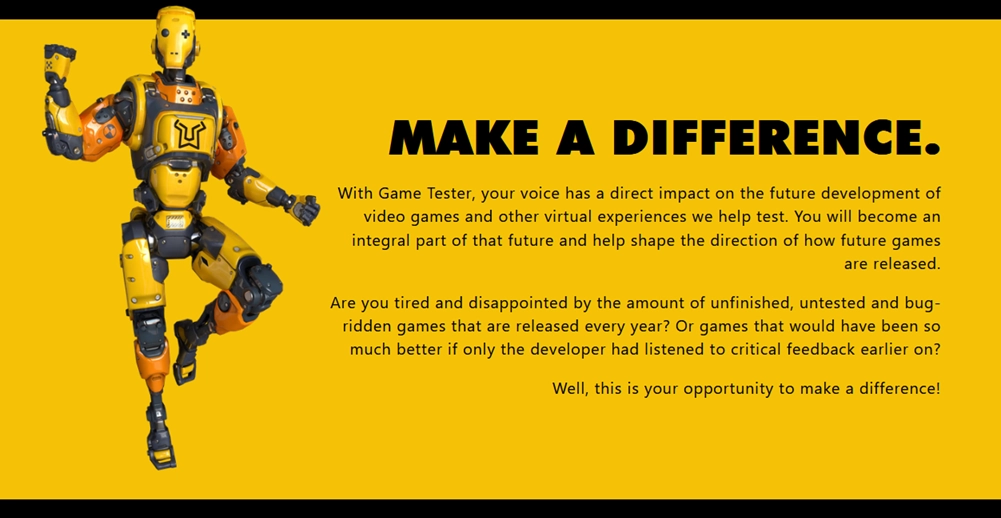 GameTester.gg positions itself as a platform where testers make a meaningful impact on game quality.
Beta Testing Communities
BetaTesting.com — Connects testers with pre-release software and games. Compensation varies—some tests pay cash ($10–$50), others offer free products or early access. We've seen legitimate game studios recruiting here, though many listings are for apps and websites rather than games specifically. BetaTesting.com
Alpha Beta Gamer — Curated list of closed beta opportunities. Mostly focused on PC and mobile. Most opportunities are unpaid (you get early access), but occasionally cash-incentive tests appear. Good for building experience if not immediate income. AlphaBetaGamer.com
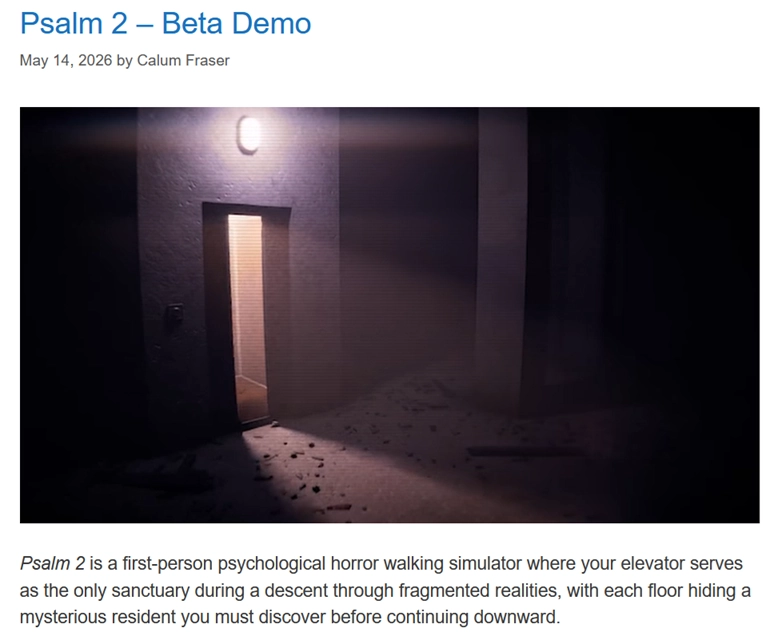 Alpha Beta Gamer curates closed beta opportunities across PC, console, and mobile platforms.
Professional QA Studios
Keywords Studios — One of the largest outsourcing companies for game QA. They hire entry-level testers regularly, often for temporary contracts on major releases. Pay starts around minimum wage in your region but can increase with specialization (localization testing, compliance). Global presence with studios in North America, Europe, and Asia. Keywords Studios Careers
VMC (Volt Media Center) — Longstanding QA contractor for major publishers. Often recruits for console certification testing. Contract work, sometimes on-site, sometimes remote depending on project. Volt.game
Lionbridge & Appen — While known for search evaluation, both occasionally post game testing projects. Pay is project-based and varies widely.
TestBirds — European-based platform with global reach. Offers both functional testing (finding bugs) and usability testing. Pays per bug found plus base compensation for test cases. TestBirds
Direct Studio Opportunities
Some developers recruit testers directly:
- Blizzard occasionally posts QA positions and community beta programs.
- Riot Games runs PBE (Public Beta Environment) for League of Legends—mostly unpaid but builds community standing.
- Indie studios on Reddit (r/gamedev, r/INAT) sometimes recruit testers for paid or revenue-share positions.
Pay Expectations: What You'll Actually Earn
Let's be direct about the money. Game tester jobs are not a path to quick riches.
Entry-Level QA Testing
- Hourly rates: $10–$15 in the US for outsourced QA contractors. In-house studio positions might start at $15–$20.
- Contract nature: Much QA work is temporary—3–6 month contracts tied to release cycles.
- Overtime: Crunch periods (before major launches) can mean 50–60 hour weeks with overtime pay. Exhausting but lucrative temporarily.
Remote Playtesting
- Per-test rates: $3–$15 typically, with rare tests paying $30–$60 for specialized demographics or longer sessions.
- Frequency: Most testers report 2–10 available tests per month, not per day. Platform algorithms prioritize fresh testers, so opportunities often decrease after your first month.
- Monthly realistic range: $20–$150 for most casual testers. A few hundred dollars if you qualify for multiple platforms and check frequently.
Beta Testing
- Mostly unpaid: Open betas rarely pay cash. You get early access, in-game rewards, or recognition.
- Closed/paid betas: $50–$200 per testing cycle for intensive participation (daily feedback, surveys, scheduled play sessions).
- Niche advantage: Testing for enterprise software, medical simulations, or military training games pays more than consumer game betas—but requires specialized access.
Professional Career Track
Experienced QA testers can advance:
- Senior QA: $35–$50/hour (or $70,000–$95,000 annually at major studios)
- QA Lead: $65,000–$90,000+ annually (varies by studio size and region)
- Compliance specialist: $60,000–$90,000+
- Transition to production or design: Many producers and designers started in QA.
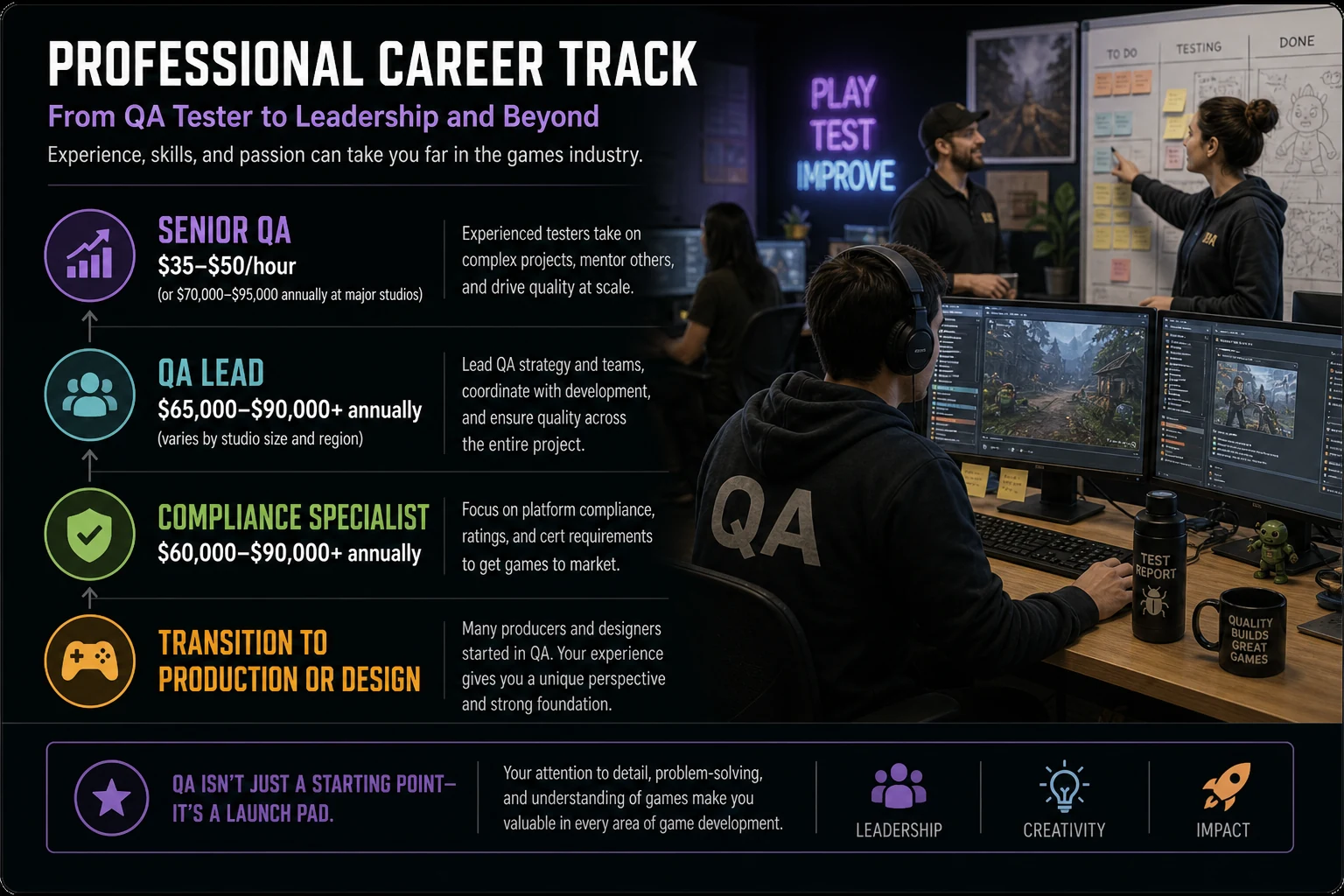 Career progression in game QA testing: from entry-level to senior roles and beyond.
The Pros and Cons of Game Testing Work
Before you commit time to applications and platform registrations, weigh the reality:
Pros
- Legitimate side income. Unlike many earn playing games schemes, these platforms actually pay.
- Flexibility. Remote playtesting fits around other commitments. No set schedule for most platforms.
- Industry access. Professional QA is a genuine entry point into game development.
- Early access. Beta testers see games months before release.
Cons
- Boring work. Testing is repetitive by design. The magic of gaming fades fast.
- Inconsistent income. Test availability fluctuates. Don't budget around this money.
- Competition. Popular platforms have waiting lists. Tests fill quickly.
- Screen-out frustration. You'll start many surveys or qualification tests only to be rejected for demographics.
Red Flags and Scams to Avoid
The get paid to play space attracts predators. Here's what we've learned to spot:
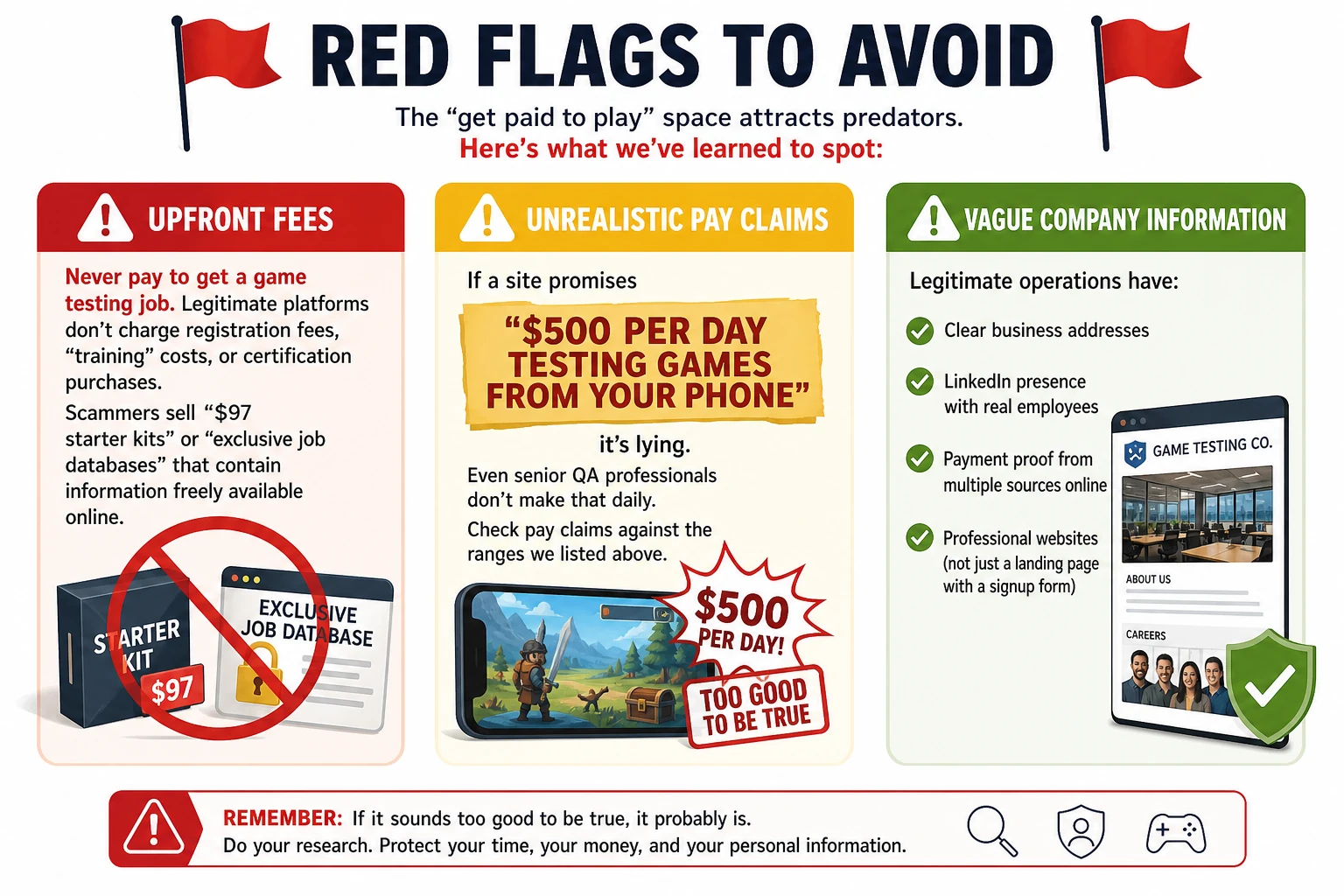 Red flags to watch for when searching for game testing opportunities online.
Know the Warning Signs
Tips for Getting Hired and Staying Hired
If you're serious about game tester jobs, here's how to improve your odds:
Build a Simple Portfolio
- Document bugs you find in games you already play. Write them up professionally—reproduction steps, expected vs. actual behavior, severity.
- Create a free blog or use LinkedIn articles to showcase 5–10 sample bug reports.
- This demonstrates you understand the work before you get the job.
Master the Screener Tests
Most platforms require a qualification test. They're designed to filter out people who can't follow instructions. Read carefully. Don't rush. One careless mistake and you're locked out for months.
Maintain Multiple Profiles
- Sign up for several platforms (PlaytestCloud, UserTesting, BetaTesting.com, TestBirds).
- Demographics that are in demand vary by platform. Being on multiple sites increases your match rate.
- Keep profiles updated—new device purchases, location changes, gaming habit updates.
 Signing up for multiple platforms increases your chances of qualifying for paid tests.
Check Frequently
- Test invites go fast. Set phone notifications if the platform offers them.
- Many platforms release new tests at specific times (often Tuesday–Thursday mornings).
Be Reliable
- If you accept a test, complete it. Abandoned tests hurt your internal rating.
- Quality matters more than speed. Platforms track how many of your bug reports get validated.
Learn the Lingo
Understanding terms like repro steps, regression, build, checkpoint, and severity helps you communicate professionally and increases your chances of advancing to paid QA roles.
Network in QA Communities
- Discord servers for specific platforms often have faster alerts than official channels.
- LinkedIn groups for game QA post contract opportunities.
The Bottom Line
Game tester jobs are real, and they're a legitimate way to earn side income or start a career in gaming. But they're not the fantasy job that influencers sell.
The honest picture: you'll work hard for modest pay, fight for available tests, and spend more time writing bug reports than enjoying games. If that sounds acceptable—if you genuinely enjoy finding problems and helping make things better—you can find real opportunities on the platforms we've listed.
Start with one or two remote playtesting platforms while keeping an eye on professional QA job boards. Don't quit your day job expecting to replace it with testing income immediately. Build your reputation, document your experience, and treat it as a side hustle that might grow into something more.
The gaming industry needs careful testers. If you're patient, observant, and willing to work, there's a place for you. Just know what you're signing up for.
Related Resources
This article contains affiliate links. If you sign up through these links, we may earn a commission at no additional cost to you. We only recommend platforms we have vetted and believe provide value to our readers.

Organize Your Side Hustles
Track your game testing earnings alongside other income streams with our free Side Hustle Toolkit.
Get the Free Toolkit