
There's a gap between side hustles and small businesses that most articles ignore. Side hustles trade time for money—surveys, delivery runs, task work. You do the work, you get paid, the transaction ends. Small businesses build assets—customers who come back, systems that run without you, revenue that doesn't require hourly labor.
We've spent years testing online earning platforms at myluckfortune.com, from survey apps to GPT sites to virtual assistant work. The progression is natural: start with quick cash, then graduate to something more sustainable. This guide is for that graduation moment.
"Weekend-startable" means exactly what it sounds like: businesses you can validate, launch, and get your first customer within 48–72 hours. Not LLCs and business plans and five-year projections. Just you, a service or product people want, and a path to getting paid.
The Validation Test: 4 Questions Before You Start
Every idea in this list passes four filters. Run your own concept through these before investing time or money:
If you can't identify who would pay you and reach them within seven days, the idea is too abstract. You need a path to revenue that's immediate, not theoretical.
Borrowing equipment, renting space, or buying inventory before your first sale creates unnecessary risk. Start with tools you own or can acquire for under $100.
Weekend-startable means exactly that—5–15 hours per week, not 40. Keep your main income while testing.
The best weekend businesses teach you skills that transfer elsewhere. If the business itself doesn't work out, you should still have learned something valuable.
Pass all four? Proceed. Fail any one? Adjust or pick a different idea.
Service-Based Businesses (Easiest Entry)
Service businesses require no inventory, minimal startup costs, and generate cash quickly. You're selling skills and time, not products you have to buy first.
Pet Waste Removal
Startup: $50–$200 $400–$1,200/moScheduled yard cleaning for dog owners—you visit weekly, remove waste, and dispose of it properly. Recurring revenue makes this a standout: customers who sign up for weekly service generate predictable income without constant new sales. Dog owners who hire this service are typically affluent and value convenience over cost.
First customer: Post in local Facebook groups and Nextdoor. Offer the first cleanup free to demonstrate thoroughness. Hand out flyers at dog parks and target neighborhoods with large yards and high pet ownership.
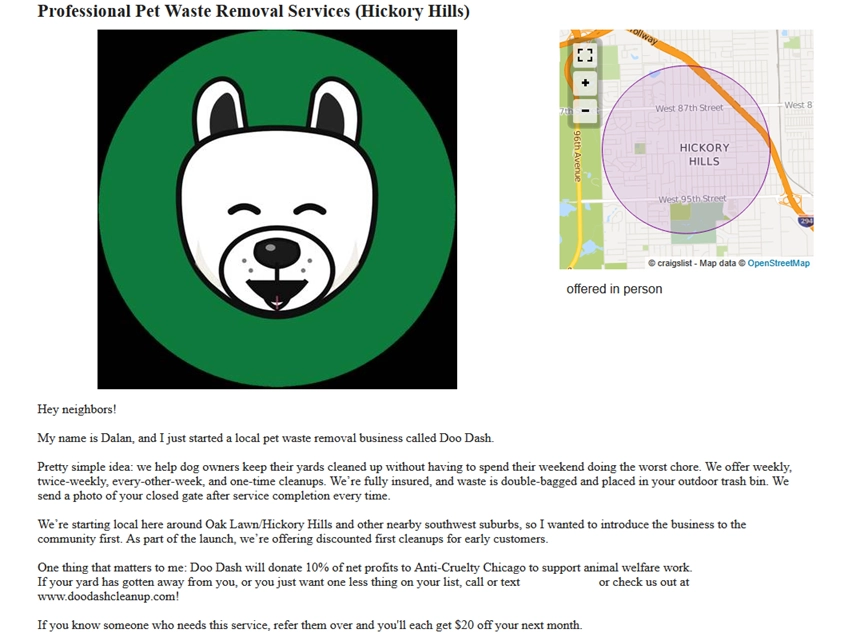 Pet waste removal businesses thrive on recurring clients—10–30 weekly customers at $40–50 per visit add up fast.
Mobile Car Detailing
Startup: $100–$300 $600–$2,000/moProfessional cleaning and restoration of vehicle interiors and exteriors at customers' homes or offices. High margins (60–70% once established) and customers who value convenience enough to pay premium prices. No garage or fixed location required—you bring equipment to them.
Equipment: Wet/dry vacuum ($60), quality microfiber towels ($30), cleaning supplies ($40). Start with interiors only to reduce equipment needs. Offer detailing to friends and family at cost in exchange for before/after photos and referrals.
Home Organization
Startup: $50 $300–$800/moHelping overwhelmed homeowners declutter, organize, and create systems for maintaining order. No equipment beyond trash bags, labels, and basic organizing supplies. You sell expertise and labor, not products—the "after" photos become your marketing for the next job.
First customer: Start with friends who mention clutter stress. Document transformations with permission. Post before/after photos on local Facebook groups. Offer a "closet refresh" package at a flat rate to lower the barrier.
Errand Running / Senior Assistance
Startup: $0 $200–$600/moHelping busy professionals or elderly clients with grocery shopping, prescription pickup, dry cleaning, appointment transportation, and household tasks. Zero startup cost—you're essentially selling your time, vehicle, and organizational skills. The aging population creates growing demand, and busy professionals will pay to reclaim weekend hours.
First customer: Post on Nextdoor offering "concierge services for busy professionals and seniors." Contact local senior centers about referral partnerships. Target adult children of elderly parents who live out of town—they're often the ones hiring.
Virtual Admin Assistant
Startup: $0 $400–$1,500/moRemote administrative support—email management, calendar scheduling, data entry, customer service—for small business owners and entrepreneurs. Zero startup cost, location-independent, and abundant demand. Many entrepreneurs need help but can't afford full-time employees. If you've already explored virtual assistant jobs, this is the business version—finding your own clients instead of working through platforms.
First customer: Identify small business owners in your network. Offer a free trial of 5 hours to demonstrate value. Join entrepreneur Facebook groups and offer help when people complain about administrative overwhelm.
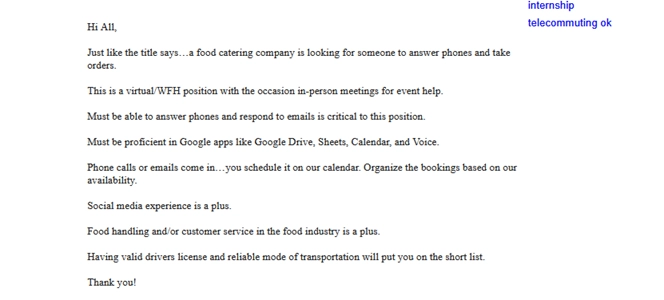 Virtual assistant demand is everywhere—entrepreneurs on Craigslist, Facebook groups, and LinkedIn all need administrative support.
Notion / Template Setup Service
Startup: $0 $200–$1,000/moCreating custom productivity systems, dashboards, and templates for Notion, Excel, or Canva for clients who need organization but lack technical comfort. Digital delivery means no physical inventory or shipping—you create once, sell repeatedly. Free versions of the tools are sufficient to start.
First customer: Create sample templates and share them free with "customization services available." Post in productivity and entrepreneur communities. Offer "system audits" where you review someone's current workflow and propose improvements.
Digital & Online Businesses (Scalable)
Digital businesses require more upfront learning but scale better—your hundredth customer costs almost nothing more to serve than your first.
Niche Newsletter
Startup: $50–$100/yr $0–$500/mo (Yr 1)Weekly or biweekly email publication on a specific topic, monetized through subscriptions (Substack, Patreon) or sponsorships once you have readers. Subscription models create recurring revenue, and writing builds authority in your field. Even modest subscriber bases ($5/month × 200 readers = $1,000/month) generate meaningful income.
First customer: Write 3–5 free posts to establish voice and quality. Share in relevant communities. Don't launch to crickets—build a small waitlist first through Twitter, LinkedIn, or community participation. Start free with Substack or Beehiiv.
Template Shop (Notion, Excel, Canva)
Startup: $0–$50 $100–$800/moCreating and selling digital templates—spreadsheets, planners, social media graphics, Notion dashboards—on marketplaces like Etsy, Gumroad, or Creative Market. Create once, sell indefinitely. No inventory, no shipping, no customer service for simple products. Pure profit margin after platform fees.
First customer: Start with templates you created for yourself. Solve problems you actually have—budget trackers, content calendars, meal planners. List on Etsy with strong SEO titles. Share on Pinterest and Twitter.
Micro-SaaS or Chrome Extension
Startup: $100–$500 $0–$3,000/moSmall software tool that solves one specific problem for a defined audience—browser extensions, simple web apps, automation tools. Software scales infinitely. A tool that saves someone 2 hours monthly can justify $5–20/month subscriptions. Technical skills required, but modern no-code tools lower the barrier.
I've built a few Chrome extensions myself, including the free Side Hustle Toolkit—it started as a personal project and now helps many users. The key is solving a problem you personally experience, building the minimum version that works, and sharing it in communities where that problem is common. If you've explored AI tutor jobs, you understand how technology creates new work categories—this is creating the technology itself.
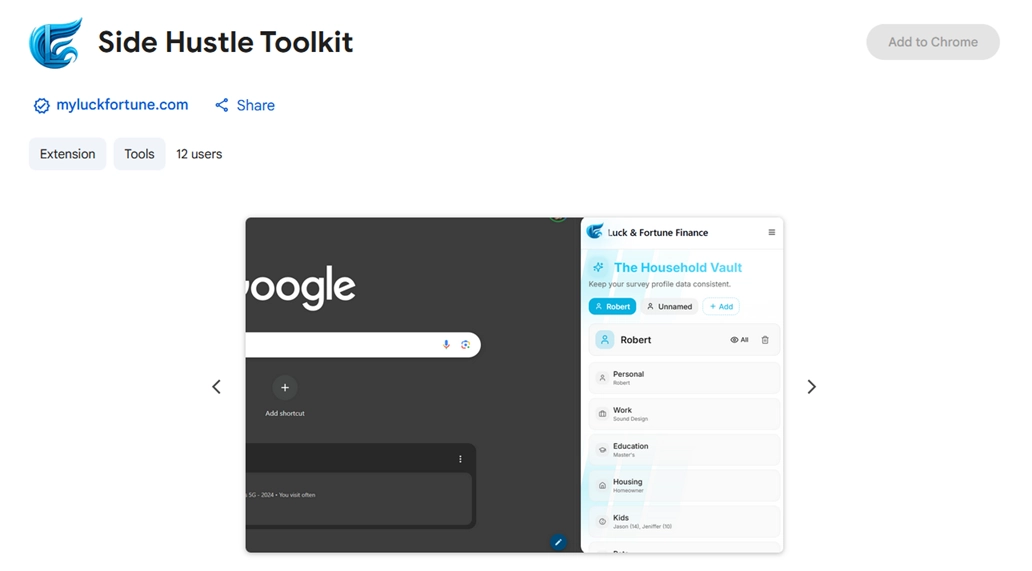 The Side Hustle Toolkit Chrome extension—a real example of a micro-SaaS that started as a weekend project.
AI Prompt Engineering Service
Startup: $0 $300–$1,500/moHelping businesses and professionals use AI tools effectively by creating custom prompts, workflows, and training sessions. AI adoption is outpacing AI understanding—many professionals know they should be using ChatGPT or Claude but don't know how. You bridge that gap.
First customer: Identify professionals struggling with AI in your network. Offer free "AI workflow audits" to demonstrate value. Document successful implementations as case studies. Target marketing teams, content creators, and small agency owners.
Online Course (Mini)
Startup: $100–$300 $200–$1,000/moShort, focused course teaching one specific skill—3–5 hours of content on something you know well that others struggle with. Courses position you as an expert and generate passive income after creation. "Mini" courses (under $100) sell better than comprehensive $500+ programs for first-time creators.
First customer: Teach what you already do professionally or as a serious hobby. Don't teach "how to make money online"—teach concrete skills (Excel formulas, Canva design, meal prep, basic bookkeeping). Validate by offering a free workshop first. Phone audio is fine to start.
Product-Based Businesses (Local & Simple)
Product businesses require inventory or materials but offer tangible goods customers can see and touch.
Reselling (Thrift Flipping)
Startup: $100–$500 $300–$1,200/moBuying underpriced items at thrift stores, garage sales, or online marketplaces and reselling them at market value on eBay, Facebook Marketplace, or Poshmark. Low barrier to entry, immediate feedback loop, and the treasure hunt aspect keeps it engaging. You can start with $50 and reinvest profits.
First customer: Begin with categories you already know—books, electronics, clothing brands, vintage items. Research sold listings on eBay to understand values before buying. Focus on items you can list quickly rather than projects requiring extensive restoration.
Homemade Candles / Soaps
Startup: $200–$400 $200–$800/moHandcrafted candles or soaps sold at local markets, on Etsy, or through local retail partnerships. Low-cost ingredients, simple production processes, and strong local market demand—people pay premiums for "handmade" and "local." Start with one product type—don't try candles AND soaps AND bath bombs initially.
First customer: Test products with friends for feedback. Start at farmers markets to validate demand before investing in online storefronts. Focus on a signature scent or unique positioning (eco-friendly, locally sourced, specific theme).
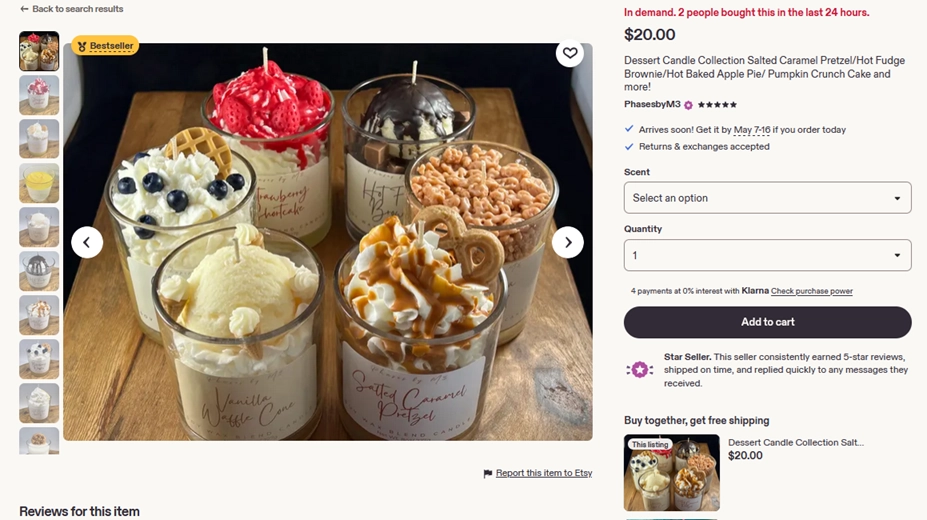 Handmade candles sell well on Etsy with strong branding and a signature scent—start with one product line and expand from there.
T-Shirt / Hoodie Designs (Print-on-Demand)
Startup: $50–$100 $0–$500/moGraphic designs printed on apparel through print-on-demand services (Printful, Printify) that handle production and shipping. Zero inventory risk—you test designs without buying stock, and it scales easily if something hits. Perfect for designers, meme creators, or niche community members.
First customer: Design for specific communities you belong to—hobbies, professions, local jokes, fandoms. Generic "inspirational" quotes don't sell. Specific references to shared experiences do. Order one sample to photograph before listing.
Meal Prep for Busy Professionals
Startup: $200–$400 $400–$1,500/moPreparing and delivering ready-to-eat meals for busy professionals who want healthy food without cooking. Recurring revenue from subscription customers with high perceived value—people pay $10–15 per meal easily. Local focus means less competition than national meal kit services.
First customer: Validate with friends and coworkers before formalizing. Focus on a specific dietary niche—keto, vegan, high-protein, allergy-friendly—to differentiate from general options. Start with pickup or limited delivery radius.
Plant Propagation / Succulent Sales
Startup: $50–$200 $150–$600/moGrowing plants from cuttings, seeds, or divisions and selling mature plants at farmers markets, local shops, or online. Low startup cost if you already garden—plants appreciate in value over time, and a $2 cutting becomes a $15 plant in months. For a deeper dive into this side hustle, check out this informative guide on starting a plant nursery.
First customer: Start with plants that propagate easily—succulents, pothos, spider plants, herbs. Sell at farmers markets and through local plant swap groups. Document growth on Instagram to build an audience. Best as a spring-through-fall business.
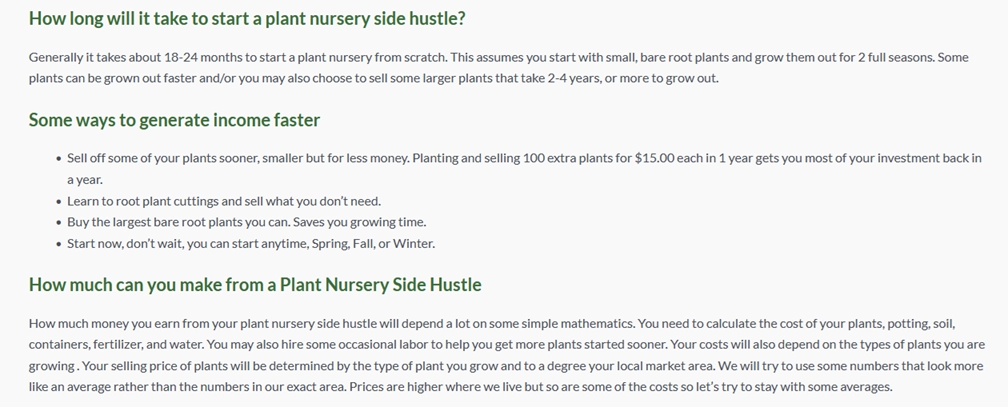 Starting a plant nursery from home is one of the most rewarding low-cost side businesses—sell your first succulents at a weekend farmers market.
The "Bridge" Businesses (From Gig to Growth)
These ideas are specifically for people already doing gig work who want to graduate from trading time for money to building business assets.
From Delivery Driver → Logistics Consultant
Career BridgeIf you've driven for DoorDash, Uber Eats, or Instacart, you understand route optimization, customer service, and delivery logistics that small businesses desperately need. Transition from "I drive" to "I help businesses set up delivery operations."
Target restaurants launching delivery, retailers wanting local same-day options, or professionals needing document courier services. Your expertise is valuable—package it as consulting rather than labor.
From Task Work → Handyman Service
Career BridgeTaskRabbit and similar platforms teach you which clients need ongoing help versus one-off projects. Identify the recurring needs—monthly furniture assembly for interior designers, quarterly maintenance for property managers, seasonal prep for homeowners.
Transition from accepting random tasks to pitching retainer arrangements: "I'll handle all your furniture assembly for $500/month." Recurring revenue transforms gig work into business ownership.
From Freelance Writing → Content Agency
Career BridgeIf you write for clients through Upwork or directly, you've seen demand exceed your capacity. The bridge business is hiring other writers, editing their work, and taking margin. You sell, manage, and deliver—others do the execution.
Start subcontracting overflow work. If you charge $100/article and pay another writer $60, you earn $40 for project management. Scale by finding more clients and more writers.
From Virtual Assistant → Operations Consultancy
Career BridgeVirtual assistant work teaches you how businesses actually run—the systems, tools, and workflows that keep operations moving. The bridge is consulting: "I'll audit your operations and implement better systems" rather than "I'll handle your inbox."
This commands higher rates ($75–150/hour versus $25–40 for execution) and positions you as strategic rather than administrative. If you've built VA skills through virtual assistant jobs, this is the natural evolution.
Weekend Launch Checklist
You don't need a business plan. You need action. Here's the minimum viable launch:
Day 1: Validate & Name (2 hours)
Pick one idea from this list. Post about it in three relevant communities or groups: "I'm starting a [service]. First three customers get 50% off in exchange for honest feedback." If you get no response, try different wording or a different idea. Name your business simply—your name + service usually works fine.
Day 2: Legal Basics (1 hour)
Decide: DBA (Doing Business As) or LLC? For weekend testing, a DBA is sufficient and costs $10–50. You can upgrade to LLC later if the business proves viable. Check your state's requirements—some require registration, others don't for sole proprietors. Open a separate bank account if possible—mixing personal and business funds creates tax headaches later.
Day 3: First Customer Outreach (3 hours)
Contact everyone you know who might need your service or know someone who does. Post in local groups. Create a simple landing page with Carrd or Notion (free options) describing what you do and how to book. Don't wait for perfection—a simple message is enough to start.
Day 4–7: Deliver & Iterate
Complete your first jobs. Document everything—what worked, what took longer than expected, what customers actually valued. Ask for testimonials and referrals. Adjust pricing based on time required and customer reactions.
Red Flags: Ideas to Skip
Not every "business opportunity" is worth your time. Skip these:
Conclusion
Most of these businesses will stay small. That's not failure—that's the point. A side business generating $500/month covers groceries, builds savings, or funds investments. It teaches you customer service, sales, and operations without risking your livelihood.
Maybe 10% of weekend starters grow into full-time ventures. The signals are clear when it happens: consistent demand, customers asking for services you haven't offered yet, the math showing you could earn more working for yourself than your employer.
But even if your weekend business never grows beyond $500/month, you've gained something valuable: proof that you can start something, sell something, and deliver value without a boss, a corporation, or permission. That's the real graduation from side hustles to business ownership. Not the income—though that matters. The mindset shift from "I need someone to hire me" to "I can create my own opportunities."
Pick one idea from this list. Not the perfect one—the one you could start this Saturday. Post about it. Find your first customer. Do the work. Get paid. That's a business. Everything else is just planning.

Ready to Graduate from Side Hustles to Business Ownership?
Now that you've seen 20 weekend-startable ideas, pick one and take action. The best time to start was yesterday—the second best time is this Saturday.
Compare Top Earning Platforms